


Warmongering Israel on Tuesday bombed Tehran and Beirut simultaneously. The Israeli military confirmed its troops “are operating in southern Lebanon” while engaged in another front following its joint attack with the United States on Iran.
Earlier, Lebanon’s state-run National News Agency confirmed the Lebanese army was evacuating “advanced positions” along the border with Israel, with the Reuters news agency reporting it has withdrawn from at least seven forward operating positions along the border.
A senior Hezbollah official in Lebanon said the recent Israeli attacks had left the group with “no option but to return to resistance”.
Israel wanted open war, “so let it be an open war”, said Mahmoud Qmati on Tuesday, adding that “the era of patience has ended.” The moves come as Israel’s Defense Minister Israel Katz said Israel’s army had been instructed “to advance and seize additional controlling areas in Lebanon to prevent firing on Israeli border areas. “We have positioned soldiers on the border area in additional points to defend our civilians, to prevent Hezbollah from attacking them,” military spokesman Lieutenant Colonel Nadav Shoshani said.
Israel has also bombed Lebanon’s capital Beirut for a second day as Hezbollah claimed responsibility for an attack on an airbase in northern Israel. New Israeli air raids on Tuesday hit the Haret Hreik area of Beirut’s southern suburbs of Dahiyeh after at least two more attacks on the city’s outskirts. The Israeli military also issued forced displacement notices for some 59 areas in Lebanon, including several neighbourhoods in Dahiyeh, traditionally home to more of the Shia population, seen as a support base for Hezbollah.
Civilians across Lebanon are continually caught in the crosshairs of Israeli attacks in Lebanon and have suffered thousands of deaths and mass displacement during the yearlong war in 2023-24, and in subsequent near-daily Israeli violations of a ceasefire up until the eruption of this new conflict days ago.
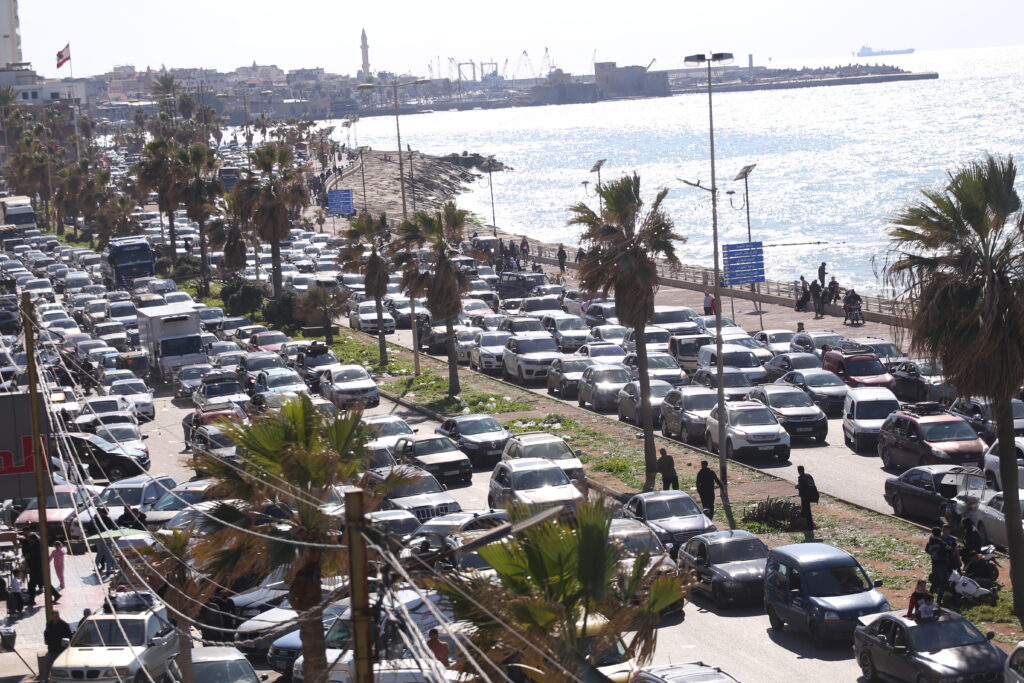
At least 30,000 displaced people have sought protection in shelters in Lebanon since hostilities between Israel and Hezbollah began on Monday, says the UNHCR.
“Many more slept in their cars on the side of roads or were still stuck in traffic jams on the roads.” A UNHCR spokesperson told Al Jazeera the Israeli attacks resulted in “a wave of displacement … We’ve seen civilians making their way out of there from the second these strikes began.
“This morning, schoolchildren are not heading to schools in Beirut because many of them are closed in order to take in the thousands and thousands of people who have been displaced from the southern suburbs.”
On Monday, Israeli strikes on Beirut’s suburbs and southern Lebanon killed at least 52 people and injured 154, according to state-run media.
Meanwhile, Lebanon’s President Michel Aoun has confirmed the ban on Hezbollah’s military activity.He said the government’s move to immediately ban Hezbollah’s military activity was “final”, and declared there was “no turning back” from the decision.